A new step in the water dispute
Arizona announced October 16 that it was moving to join Nevada’s lawsuit challenging the federal government’s Colorado River operating framework. Nevada Current reported that Arizona Governor Katie Hobbs and the Department of Water Resources filed a motion to intervene in Nevada’s case.
The filing is a procedural step. The reviewed announcements do not establish that a court has granted the motion or decided the underlying claims.
What Arizona is challenging
The governor’s office says Arizona wants to preserve a two-year Lower Basin agreement while contesting elements of the federal environmental review and operating decision. It argues that the framework does not sufficiently require Upper Basin water deliveries to Lake Mead. That is the state’s position, rather than a court finding.
The announcement says finalizing the Lower Basin agreement remains a priority and describes continued work with Nevada and California.
Why this matters locally
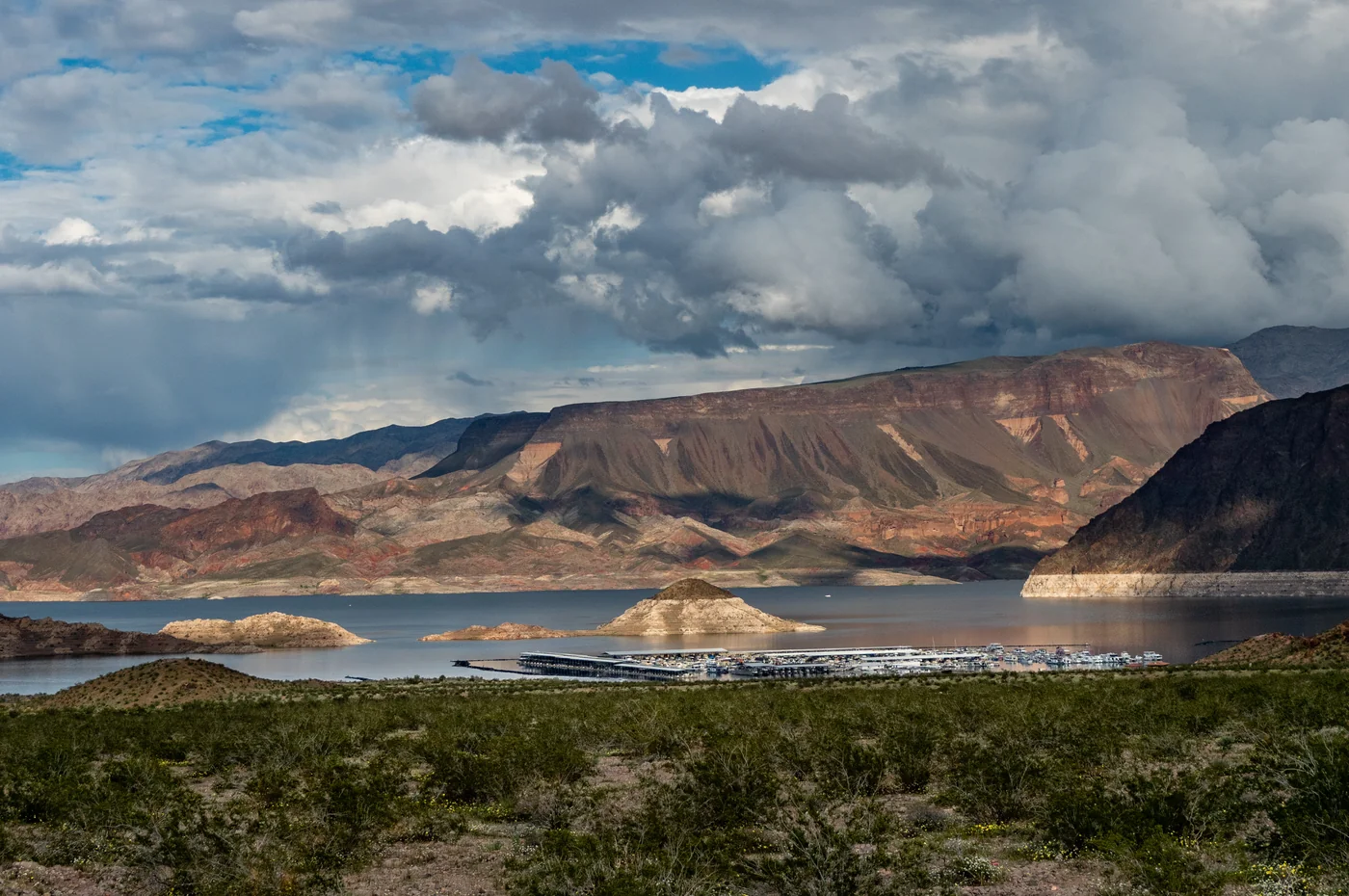
The dispute concerns future operations of Lake Mead and Lake Powell. Nevada Current reports that Nevada filed its lawsuit in August; Arizona’s October action adds a new development to that existing dispute. No immediate change to household water service was announced in the reviewed sources.
Sources & further reading
- Arizona governor: announcement on joining Nevada’s Colorado River lawsuit · October 16, 2026
- Nevada Current: motion to intervene and background on Nevada’s case · October 16, 2026 at 3:25 p.m.
Join the conversation
Loading discussion…