























Repair & maintenance · Las Vegas Valley
Roof Leaking? Las Vegas Roof Repair & Maintenance Guide
Trace roof leaks, compare temporary protection with permanent repairs, and understand what a roof-maintenance visit actually covers.
In this guide
THE TAKEAWAY
An active leak needs a traced source and a defined repair. A roof tune-up is useful only when its tasks address the actual condition.
Describe when and where water appears
Describe the leak or visible change and when it appears: wind-driven rain, ordinary rain, equipment operation or no obvious weather event. Photograph interior staining from a safe place and note earlier repairs. Ask the roofer to identify the likely entry point and the conditions around it.
Do not climb onto the roof to reproduce a leak. If water is near electrical equipment, a ceiling is sagging or material could fall, keep the area clear and seek urgent professional assistance.
A CLOSER LOOK
Use the storm history to sharpen the diagnosis
Tell the roofer whether a leak follows wind-driven rain, appears during ordinary rain or occurs while equipment operates. A photograph of the interior stain is useful, but it may not locate the exterior entry point.
After a windy period, ask for an assessment of the affected area from a professional rather than climbing onto the roof. Request before-and-after photographs and a written explanation of what the repair is expected to resolve.
The National Weather Service notes strong winds and storm-driven weather in Las Vegas. [3]
Compare your options
| Option | When to discuss it | What to clarify |
|---|---|---|
| Temporary protection | An active problem needs stabilization before permanent work. | Ask what the temporary measure covers and when permanent repair follows. |
| Targeted repair | Inspection identifies a localized covering, flashing or drainage issue. | Request the repair boundary and verification plan. |
| Maintenance or larger assessment | The roof needs documented upkeep or broader condition review. | Separate preventive tasks from repairs supported by actual findings. |
ILLUSTRATIVE HOMEOWNER SCENARIO
A leak appears after rain
A homeowner sees a ceiling stain after a storm and receives both a localized repair quote and a full-roof proposal. Share when the stain appeared and any safely taken photographs. Ask each roofer to explain the observed condition and document the area being addressed.
Check whether the scopes discuss the same suspected source, affected materials, flashing or adjacent work, and interior restoration. Ask what remains outside a localized repair and what evidence supports replacing the wider roof. Obtain the limitations and warranty in writing.
The useful comparison: Compare the condition each proposal addresses before comparing the totals.
The repair area and weatherproofing scope
Ask for photographs and a plain-language explanation of the defect. The scope should name the roof area, material or connection, removal needed, replacement materials and any water-testing or inspection approach. Clarify whether the work includes interior damage, drying or only the roof.
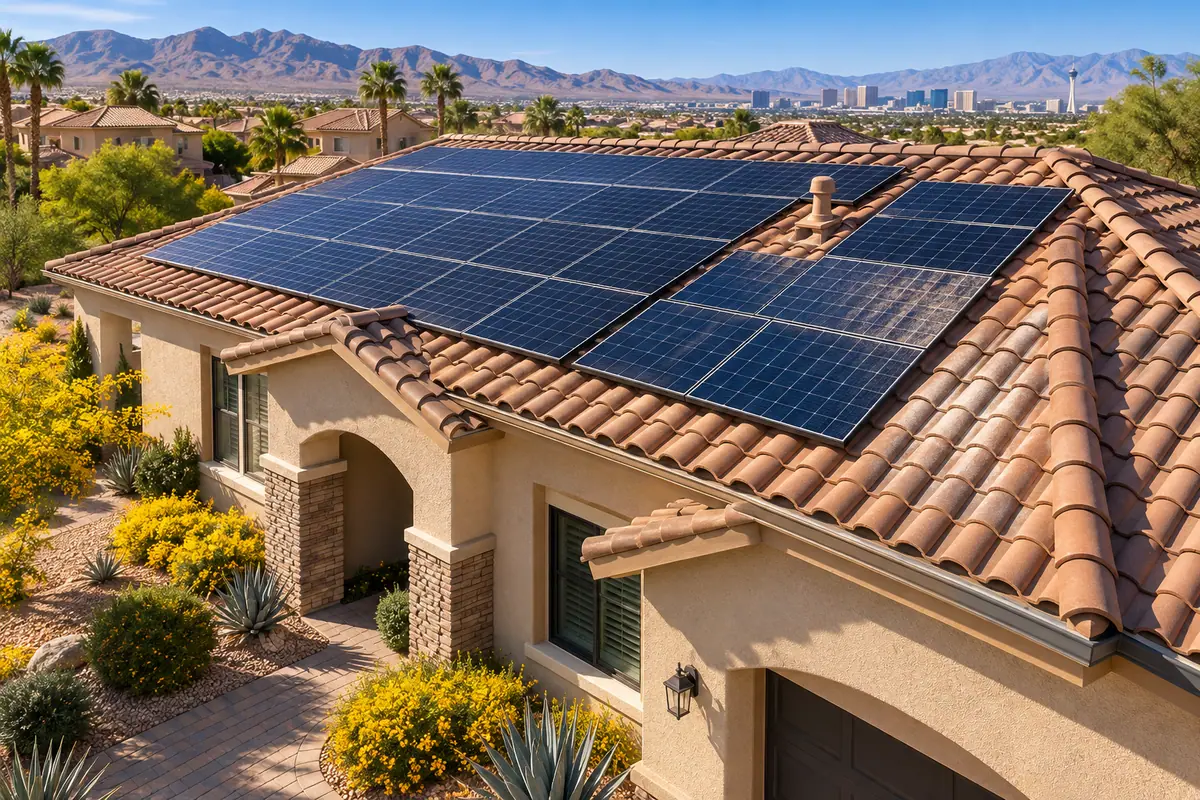
For solar-adjacent leaks, coordinate the responsible trades before panels are disturbed. A sealant application, flashing replacement and underlying-layer repair should not be described as equivalent without explaining why the selected method fits the condition.

What affects the price
Emergency access, roof configuration, equipment obstructions and the extent of hidden damage affect price. Ask whether the inspection or temporary protection is credited toward permanent work. Compare the actual repaired area and warranty exclusions.
If a full replacement is proposed, request the broader findings that justify it. Keep optional coatings or recurring maintenance packages separate until the contractor explains their suitability for your roof system.
Questions to ask before approving work
- Where is water entering and what evidence supports that finding?
- Is this temporary protection or the permanent repair?
- What surrounding areas are excluded?
- How will rooftop equipment and interior damage be handled?
After the visit: checks, records and upkeep
Keep repair photographs, material details and the written scope. Ask what is excluded from the repair warranty and who to call if the same location leaks again. Arrange safe inspection of drainage and roof details according to the system’s needs.
Observe the original interior location after weather events without climbing onto the roof. If a stain persists, document when it changes; drying marks and new water entry require different follow-up.
Common questions
Will a roof tune-up stop every leak?
No. A maintenance visit needs a defined task list; an active leak needs diagnosis and a repair appropriate to its cause.
Can the leak entry point be away from the ceiling stain?
Ask the roofer to trace the source rather than assuming the visible stain identifies the exterior repair location.
Find local roofing companies
Compare the full company selection, then confirm the exact work and your address directly. Specific services and workmanship are not verified by broader project records.
Compare companies for roof repair & maintenanceService context
Prestige’s local service information separates emergency protection, flashing repair and other leak work. [1]
Cooper’s roof tune-up offering identifies a bounded maintenance scope, illustrating why a tune-up should not be confused with complete reroofing. [2]
The questions and comparisons are Hey Neighbor’s homeowner guidance. Company pages describe advertised services, not an endorsement or proof of results. Equipment instructions and a property-specific assessment govern the actual work.
Sources & further reading
- Prestige Roofing. Roof Repair or Replacement in Las Vegas. Accessed .
- Cooper Roofing & Solar. Roof Tune-Up. Accessed .
- National Weather Service, Las Vegas. Climate of Las Vegas. Accessed .
About this guide
Written and maintained by Hey Neighbor. Updated .
Editorial update: clarified the main decision, added topic-specific context and checked the reference supporting the added context.
How this guide is put together
These are AI-assisted editorial guides for homeowners, built around published sources and practical questions to ask. This update checks the added source-backed context; it is not a licensed trade professional’s technical review or an inspection of your home. Earlier references retain their individual access dates below their citations.
Examples are illustrative, and artwork does not depict a listed company’s actual work. Local requirements depend on your property and the authority responsible for it. Read our guide standards or suggest a correction.
Keep exploring
See all roofing guides
How we evaluate evidence · Suggest a correction · Record snapshot 2026-10-27